
Before going to Paris, I was given a lot of warnings. “Paris is overrated. You’re going to be disappointed. You’re going to develop Paris syndrome.” Having returned from Paris, however, I can confidently say that the city met, and even exceeded, my expectations. Is Paris the utopic city we all know from the media? No. The air pollution is horrible, there’s garbage and graffiti everywhere and the tourist attractions can get quite crowded. Even still, Paris is the most elegant city I have ever visited. Every street, every park and (almost) every building is designed with a stylishness and grace that is totally alien to one raised in American suburbia.
So, is going to Paris worth it? Yes … but lower your expectations just a tiny bit. Let’s break it down area by area.
Best of Île de la Cité:
- Sainte-Chappele (paid): Sainte-Chappelle is, objectively, the most beautiful building in the entire city. Built in 1248 as a private chapel for the king, it’s known for its stunning stained-glass windows, which stretch from floor to ceiling, casting the soaring Gothic vault in ethereal shades of purple. Lines are long, so book reservations early. 10/10.
- The Conciergerie (paid): Once a royal palace, it is home to the most infamous prison of the French Revolution. There are really only two reasons to come here: the huge medieval Hall of the Guards and some old jail cells, including Marie Antoinette’s. 6/10.
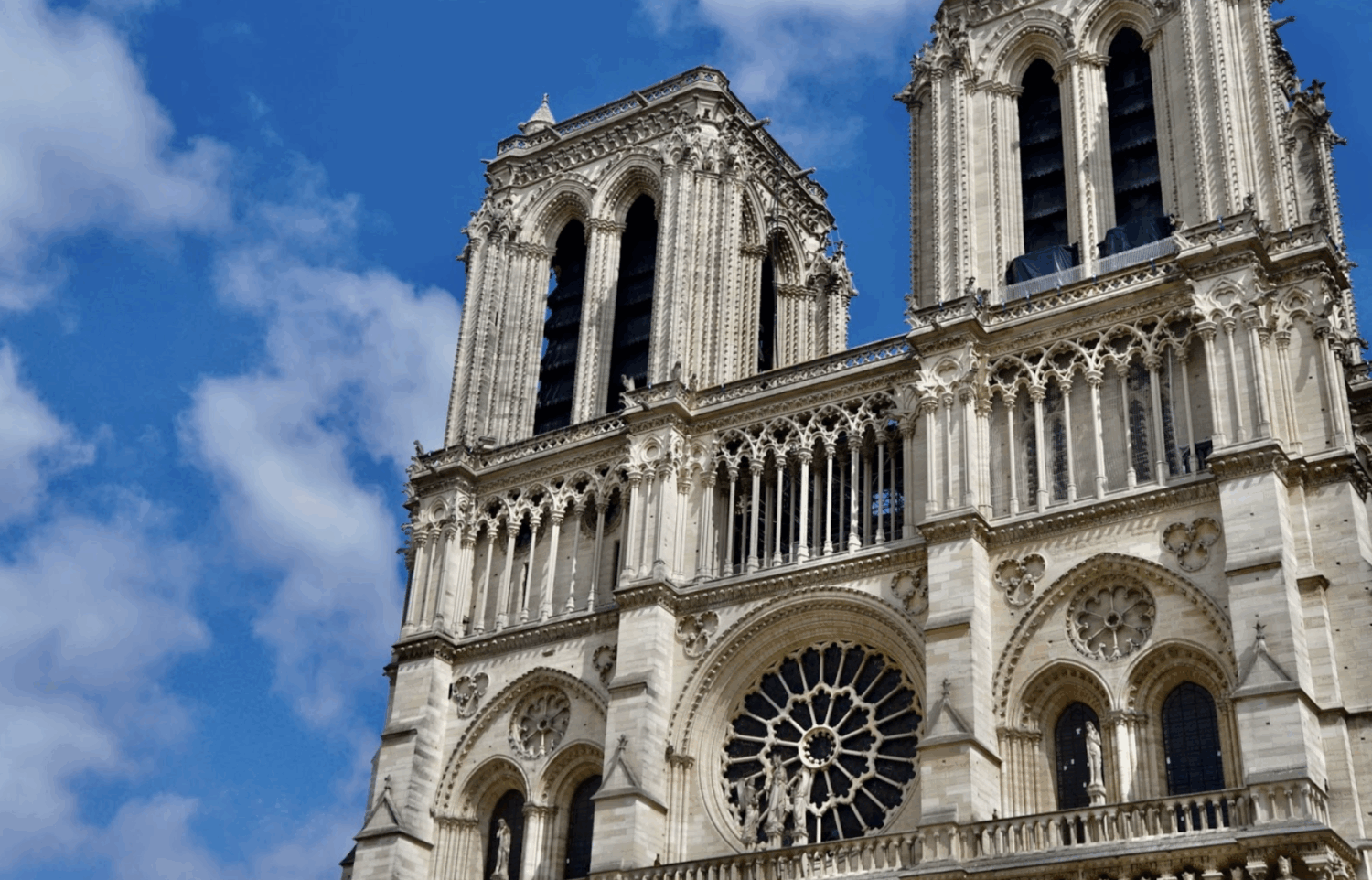
- Notre Dame Cathedral (free): One of the most recognizable places of worship in the world, Notre Dame has been restored to its original glory after the fire of 2019 (thanks in part to a Brandeis alum). Visitors are now free to marvel at the cathedral’s restored Gothic architecture and gigantic rose windows. While going inside is free, you will have to wait in an incredibly long line in the square outside. The other option is to book in advance, but that can be a hassle as spots only open up right before your visit. 9/10.
Best of the Left Bank:
- The Museé de Cluny is housed in two incredibly venerable buildings: a mansion from 1500 and a Roman bathhouse from the first century. Inside these buildings is a priceless collection of medieval art, such as sculpture, tapestries (the famous “Lady with the Unicorn” series is here) and books. Overall, this is an incredible museum. However, the Museé de Cluny attempts to blend contemporary art with its exhibits. This would be fine if its modern artists were any good, but they aren’t. One of the modern art pieces is literally just a Magic: The Gathering card. I kid you not! It’s “Essense Bottle” inside an elaborate metal frame. In spite of this atrocious attempt at “art,” or perhaps because of it, you should definitely check out the Museé de Cluny. 8/10.
Best of Central Paris:
- Place de la Concorde (free): Looking at this peaceful, wide-open space with elaborate fountains and an Egyptian obelisk, it’s hard to imagine that this is where thousands were guillotined during the French Revolution. 7/10.
- Hôtel de la Marine (paid): A historic palace overlooking Place de la Concorde and once home to the French Navy. Few tourists come here, so if you’re looking to skip the crowds or enjoy a lavish French interior to yourself then this place is for you. There’s also a collection of artifacts donated by the royal family of Qatar, of all people. 8/10.
- Musée de l’Orangerie (paid): This small museum inside the Jardins des Tuileries is best known for its panoramic paintings by Monet depicting natural scenes. Its other collections are not as interesting, though the Monet rooms are reason enough to come here. 6/10.
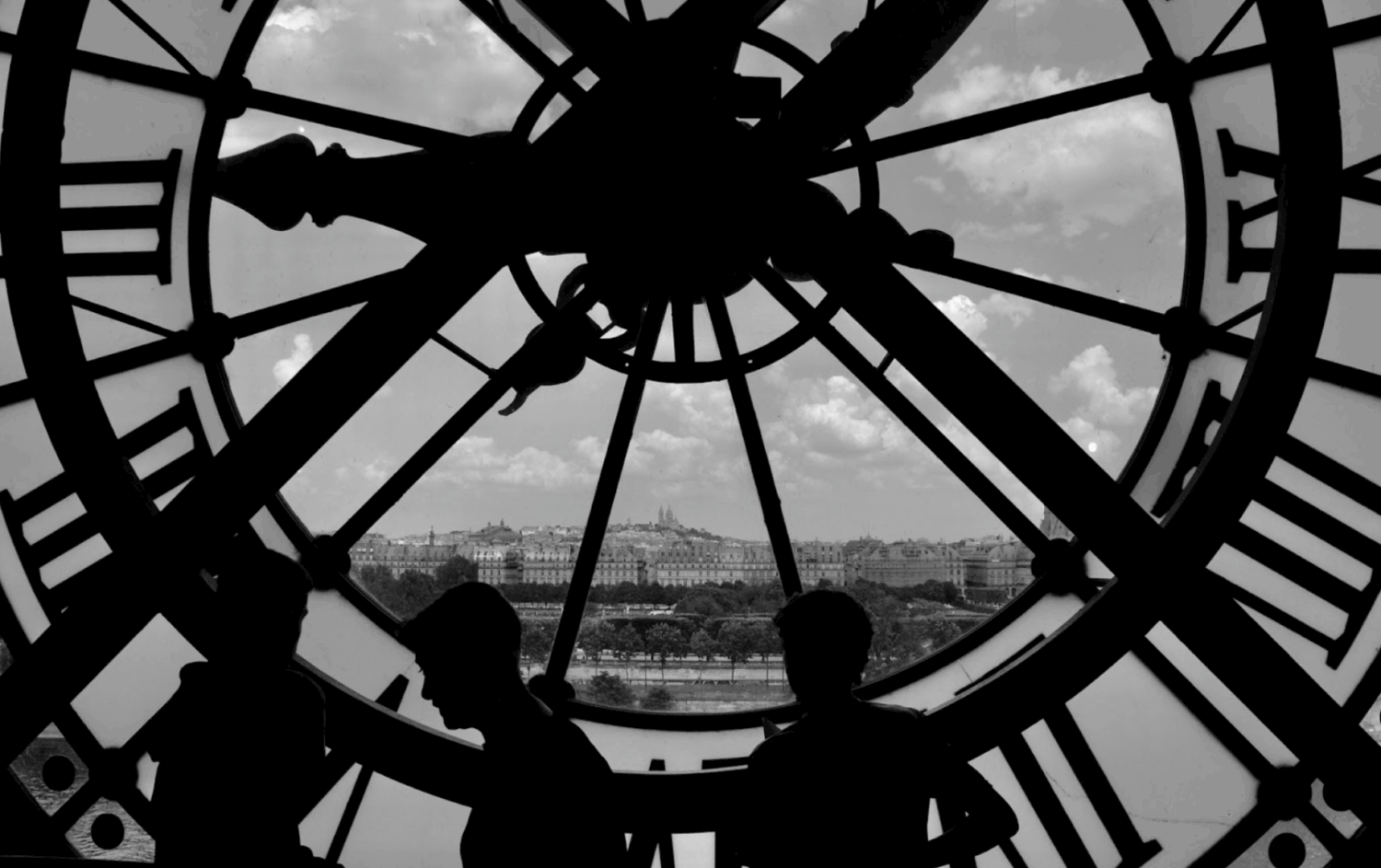
- Musée d’Orsay (paid): Have you ever wanted to eat lunch behind a giant clock? Then visit the Musée d’Orsay. Originally a train station and converted into a museum with some innovative architecture, this museum picks up where the Louvre left off with its collection of art from 1848-1900. While not nearly as famous as the Louvre, it’s equally worth a visit. 9/10.
Best of The Marais:
- Musée National Picasso-Paris (paid): contains an encyclopedic collection of Picasso’s works, arranged chronologically to show how his art gradually evolved from realism into his signature Cubist style. As I’m not an art major, I don’t think I was able to fully comprehend the significance between the abstract humanoid figures lurking around every corner, but seeing these paintings was, nonetheless, very fun. 8/10.
- The Musée Carnavalet (free): This is the history museum of Paris. Be warned: the size of this museum is deceiving. Like the TARDIS from Dr. Who, it is far bigger on the inside than the outside. You will pass through room after room after room after room, each filled with historical furnishings, costumes and portraits of figures such as Marie Antoinette and Robespierre. The mazelike shape of the museum makes it very confusing and exhausting to navigate, especially on an empty stomach. On the plus side, admission is free, and it’s not on the tourist radar. If you are interested in French history, or if you want to kill around 3 hours or so, then this museum is for you. 5/10.
Best of Northern Paris:
- The Palais Garnier (paid): This world-famous opera house is somewhere I have always dreamed of going, as a fan of “The Phantom of the Opera.” Yes, the musical got it exactly right—down to the lake in the basement where the Phantom was supposed to live. The interior rooms and the stage are simply jaw-dropping, a portal back into the days of old. 9/10.
- Galeries Lafayette (free): Right across the street from the Palais Garnier, this famous department store is probably the most luxurious one that I have ever been to, with an enormous atrium covered by a stained-glass dome and housing luxury items that you can’t afford. The true highlight, though, is the free rooftop viewing deck which has amazing views of the opera house, the Eiffel Tower and much of the city beyond. 9/10.
Best of Trocadéro:
- Cité de l’architecture et du patrimoine (paid): This is the hidden gem of Parisian museums. Very few people seem to know that it even exists. Inside this huge building you will find life-sized replicas of church architecture all over France, standing there as if they were teleported to Paris: entire gateways, staircases and spires, each covered in fantastic sculptures and elaborate detailing. Words simply can’t describe the experience of being here. The best part? You will have this museum all to yourself! Very few of the millions of tourists seem to know about this magical place, and hopefully it will stay that way. 10/10.
- The Eiffel Tower (paid): The Eiffel Tower needs no introduction. What isn’t immediately obvious from the pictures and souvenirs, however, is just how huge it actually is. It’s so huge that you’ll be able to see it pop up at random throughout your trip. Whether driving down the highway, walking along the Seine or just at some random street, chances are that you’ll be able to see its looming mass. The design, of course, is an engineering masterpiece. But while pretty to look at, needless to say, this is a blatant tourist trap and there are much better places to spend your money. 7/10.
Best of Les Invalides:
- Musée de l’Armée (paid): This museum is located inside the Hôtel des Invalides, a sprawling complex built by Louis XIV for wounded veterans. Inside is a huge collection of French military artifacts: some that you might expect (swords, tanks, propaganda posters) and some that are a little … out there. Would you like to see the taxidermied horse of Napoleon? 8/10.
- Dôme des Invalides (paid): As the name implies, this is an enormous domed church connected to the Hôtel des Invalides. The sheer scale of the dome is impressive, but what’s even more important are the tombs of many famous French generals, including the tomb of Napoleon Bonaparte himself. He is buried inside a huge red sarcophagus directly beneath the dome, with no name on it, since evidently Napoleon expected everyone to know who was buried inside. Overall, very cool. 10/10.
- Musée Rodin (paid): You may all be familiar with “The Thinker,” but how much do you know about Rodin’s other works? There are two parts to this museum: the first is an old mansion with a chronological display of his works and a reconstructed workshop; the second is a beautiful garden where sculptures are artfully displayed among blooming roses and sparkling fountains. While small, this museum is gorgeous and well-put together. 8/10.
Spotlight on The Louvre (paid):
The Louvre is a museum that needs no introduction. However, you may need to adjust your expectations. This isn’t a typical, relaxing museum; it’s exhausting, like a hike or a trip to Disneyland. There are massive crowds. There are far too many stairs. Children are screaming. Maps are unreadable. You will get lost, confused and utterly exhausted. But is it worth it? Absolutely, because the Louvre contains possibly the greatest single collection of Western art in the world. 9/10.
- The central basement area (where the glass pyramid is) serves as the entrance and visitor center. Here you can find all of the ticket booths, cheap restaurants and probably the only unoccupied bathrooms in the entire museum. Use this as a pit-stop area whenever you need to refuel.
- The Denon Wing is where most of the famous works are: Mona Lisa, Venus De Milo, Nike of Samothrace, Liberty Leading the People, etc, etc. If you only want to see the highlights, visit this wing only, which should take around 1-2 hours. Otherwise, you’ll need the entire day. Be warned! The Mona Lisa is smaller than you think.
- The Sully Wing houses the medieval foundations of the Louvre, as well as a collection of Greek, Egyptian and Near Eastern artifacts. However, this is the most poorly designed wing of the entire museum. Even if you want to stay on the same “level,” you will be forced to go up and down flights of stairs just to move linearly. And if you’re on the top floor and want to go back to the center, then you will have to backtrack through EVERY SINGLE floor and room you just visited.
- The Richelieu Wing is the most modern of the three. You can tell because it has escalators, a welcome sight for weary tourists. It boasts the lavish Napoleon III Apartments, as well as other paintings and sculptures that aren’t nearly as famous as the ones in the Denon Wing.
Spotlight on Versailles (paid):
Versailles, the palace of the Sun King, is much closer to Paris than you expect; it’s only about half an hour away. To get away from the masses, book the first available spot in the morning, and as soon as you are let in, make a beeline for the interior of the palace. You’ll have it all to yourself for about five minutes. I’m not exaggerating—when I visited, the rooms were TOTALLY EMPTY for five minutes or so, and then tourists started trickling in a few at a time, until it became a flood. Crowds or no crowds, however, the beauty of the palace and gardens still shine through. 10/10.
- The main Chǎteau is just as luxurious as you would expect from Louis XIV; the fabulous Hall of Mirrors and the royal apartments shine in all of their glory. But there’s more waiting in the wings—literally. The North Wing contains a chapel and a full-scale opera house, while the South Wing contains a gigantic gallery of paintings and a Congress Chamber where the French Legislature occasionally meets even to this day! These may not all be open, however, or may need a separate ticket.
- The lavish gardens, with their fountains and sculpture, are well-preserved. However, they are much, much larger than the map makes them seem, so don’t think about seeing all of it in one day. If you’d like to save energy, bikes and electric karts are available, along with a motorized “train” that takes you to the Trianon. Confusingly, admission is separate from the main palace.
- The Estate of Trianon was built among the gardens of Versailles as a retreat for the royal family because apparently the luxuries of the main palace weren’t relaxing enough for them. There are two palaces here, the Grand Trianon and the Petit Trianon, both of which are surrounded by their own set of gardens. While these are historically interesting buildings, they don’t hold a candle to the splendor of the main palace—and were never supposed to. Feel free to skip them if you’re running low on time. Admission is separate.
And finally, here are some general tips:
- Take advantage of the Paris Museum Pass. When I was there, I bought the six-day pass for 110 euros ($129.17)–that’s 18 euros ($21.14) per day — to cover admission into every single one of the attractions listed above, except for the Palais Garnier and of course, the ones that are free. Compared with buying tickets for everything individually, it offers huge savings and is much more convenient in general. However, for the most popular attractions like the Louvre, you will still have to make timed reservations.
- Use the Metro! Paris is walkable, but also huge. Those buildings you see in the distance are probably much further than they seem. This is not an American city, so taking the subway is infinitely more convenient than driving a car — and the trains are fast, clean and safe too.
- Having been pickpocketed in the past, I decided to carry a decoy wallet with 20 euros or so in my pocket and keep my real one hidden in my backpack. Nothing happened to the decoy, but just in case, I would recommend you stay careful.
- Learn at least a few words in French, like “bonjour/bonsoir,” “merci” or “excusez-moi”. Unless you speak fluent French, you will most likely be spoken to in English, but even a small amount of effort helps — especially with service workers who you will need to interact with every day.
- At any given moment in time, there will be a strike happening. This is no exaggeration. Keep that in mind in case it affects your travel plans.
